01 / THE RISKS
Psychosocial hazards at work
The workplace conditions and practices that can affect men's health and wellbeing.

Men in Safety
International Men's Day
Four leading practitioners will come together on Friday, 20 November for an honest conversation about the workplace conditions, cultures and practices that affect men's health, safety and wellbeing.
Friday, 20 November 2026
11-12noon AEDT
Psychosocial Safety Leadership Institute
Workplace Safety · Wellbeing · Leadership
The conversation
We talk about keeping men safe from the machine, the ladder and the road. We talk far less about how work itself can affect men's health and wellbeing.
Men make up a significant part of Australia's workforce, particularly in industries where long hours, demanding conditions, isolation and exposure to traumatic events can be part of the job.
But workplace risks aren't always visible. Excessive workloads, poor support, low job control, job insecurity, poor workplace relationships and harmful behaviours can all create psychosocial hazards.
These aren't simply individual challenges. They are workplace issues that organisations have a responsibility to identify and manage.
The way work is designed, organised and managed matters. So do the leadership practices and workplace cultures that shape men's everyday experiences.
Workplace conditions, leadership practices and organisational culture all shape men's everyday experiences at work.
The bigger picture
The men in your workplace are your crew, your clients, your leaders and your mates. If you lead them, work alongside them or are one yourself, this conversation is for you.
Physical safety is only part of the picture.
Workplace expectations around masculinity, pressure to be resilient, isolation, workplace relationships and the ability to speak openly all influence men's experience of work.
What happens when asking for help feels like a sign of weakness? When workplace culture rewards keeping your head down and getting on with it, regardless of what's happening behind the scenes?
These aren't just personal challenges. They're workplace issues and they deserve attention.
Excessive workloads
Poor support
Low job control
Job insecurity
Poor relationships
Harmful behaviours
The discussion
An honest, practical conversation exploring:
The workplace conditions and practices that can affect men's health and wellbeing.
How job demands, working hours, remote work, isolation and exposure to traumatic events contribute to psychosocial risk.
How leadership, workplace relationships, harmful behaviours and organisational practices influence men's experience of work.
What organisations and leaders can do to identify, assess and manage psychosocial hazards.
Why protecting men at work requires attention to both physical and psychosocial risks.
The people behind the conversation
Four men with different professional backgrounds, experiences and perspectives will bring their insights to a conversation that deserves more attention.
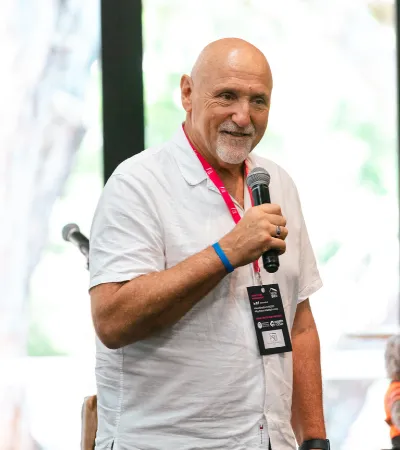
Founder of The Wellbeing Thought Leaders and Global Chair of the Men’s Wellbeing Initiative at the Global Wellness Institute.
John works across construction, mining and corporate teams, including FIFO workforces.
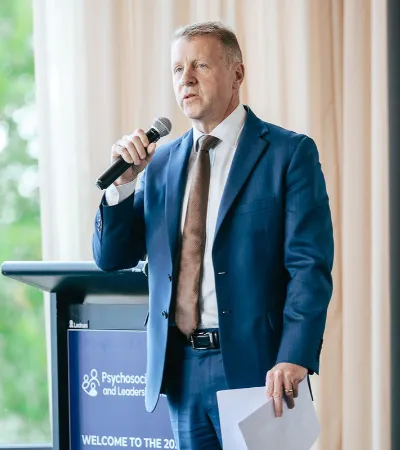
Director of SafeTM and a former WorkCover NSW prosecution lawyer, Police Prosecutor and NSW Police Detective.
Tony plays the prosecutor in the SafeTM WHS Mock Courts.
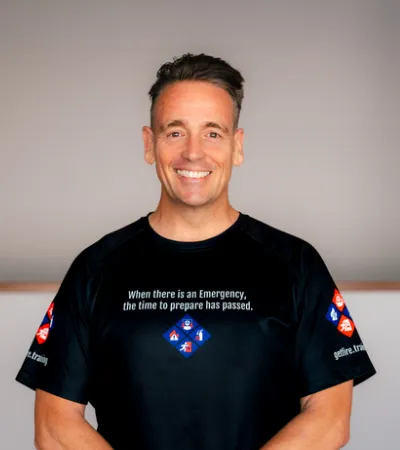
Fire emergency trainer and assessor at Get FIRE Training.
David’s background spans Emergency Services, Disaster Welfare, critical incident psychological welfare and peer support.
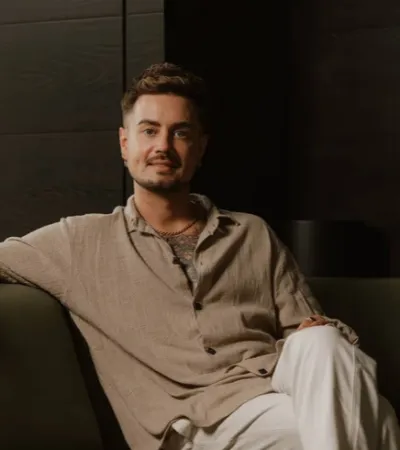
Founder of Heart On My Sleeve and a global psychology thought leader on a mission to transform the way the world connects. After nearly taking his own life in 2016, Mitch left his role as a global product manager at Microsoft to dedicate his life to helping others through the power of connection and real conversations.
is this for you?
This conversation is for anyone who wants to better understand and manage psychosocial risks affecting men at work.
Whether you're an employer, WHS professional, HR practitioner, leader, safety representative or someone working in an industry with predominantly male workforces, there is something in this conversation for you.
The discussion will bring men's experiences and the realities of their working lives into focus.
Employers, WHS professionals, HR practitioners, leaders and safety representatives all have a role in understanding psychosocial risks.
INTERNATIONAL MEN'S DAY
International Men's Day is an opportunity to recognise the experiences of men and the contribution they make to our workplaces and communities.
Join us on Friday 20 November as 4 leading practitioners share their perspectives on the workplace conditions, cultures and practices that affect men's health and wellbeing.
Explore what organisations can do differently and why managing psychosocial risks must be part of how we keep men safe at work.
INTERNATIONAL MEN'S DAY
Register now to join this important discussion about men's health, safety and wellbeing at work.
Friday 20 November
11-12noon AEDT