The Day Good Intentions Stopped Mattering
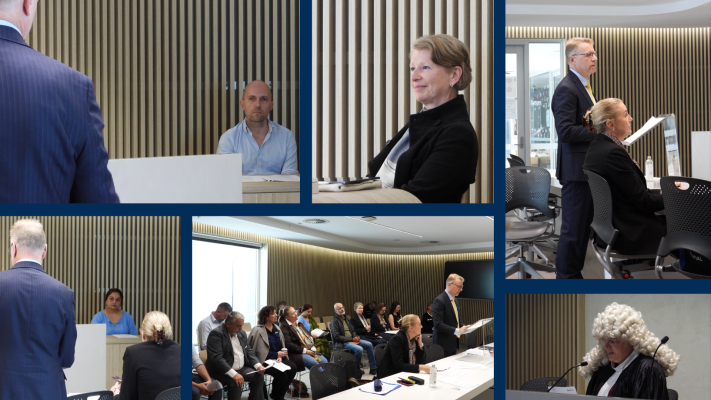
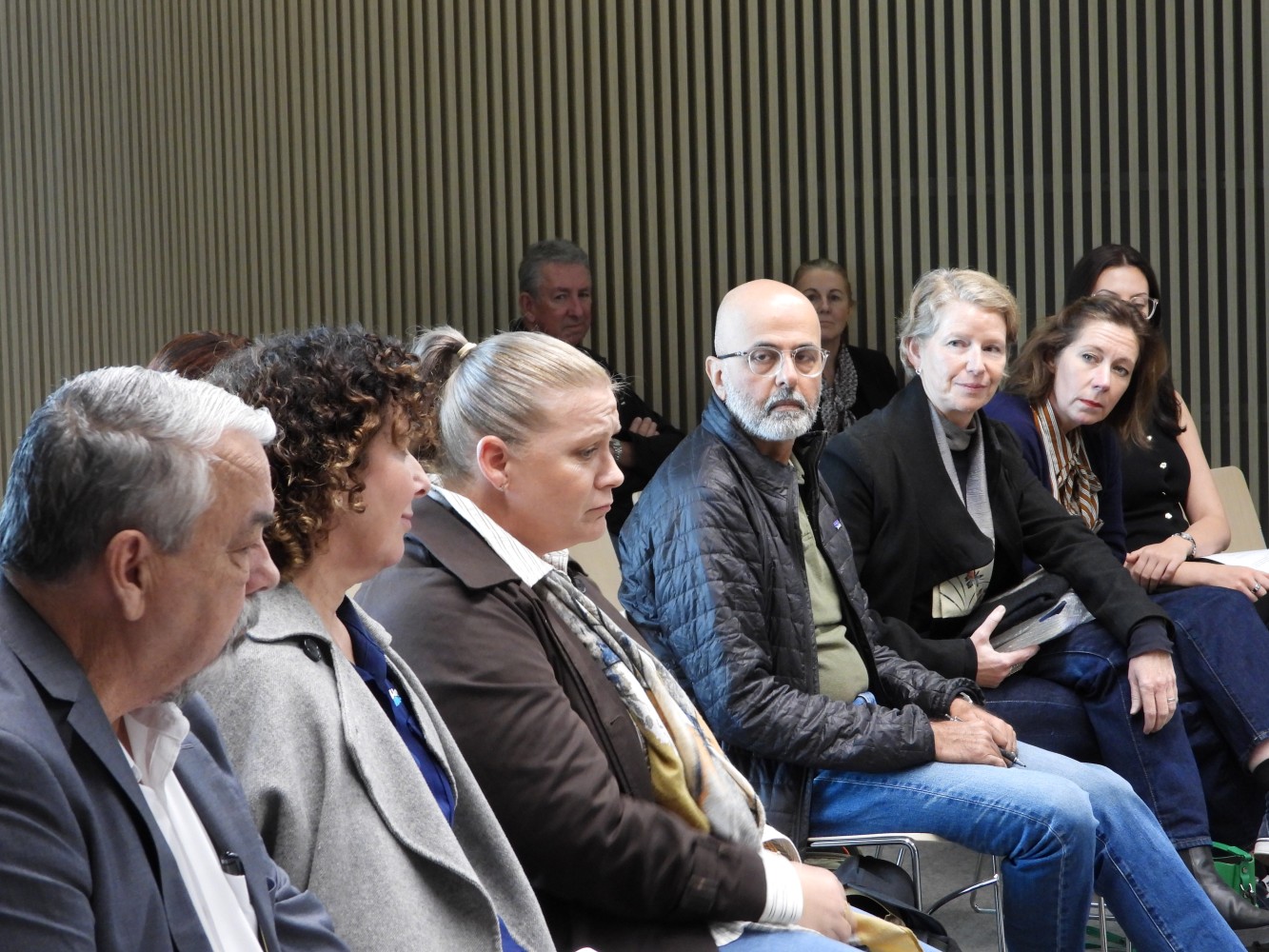
Yesterday I attended a Mock Court hosted by the Psychosocial Safety and Leadership Institute in partnership with Safe TM Pty Ltd at the University of Technology Sydney. The session was designed to demonstrate how a workplace health and safety prosecution might unfold when psychosocial risks are at the centre of the case. While I expected to gain a deeper understanding of legislation and legal processes, what I experienced was something far more powerful.
The courtroom setting immediately changed the way I thought about workplace safety.
For many years I have worked with organisations navigating workplace injuries, psychological claims, return-to-work challenges and organisational risk. In those settings, conversations are often centred on intent. Leaders explain what they were trying to achieve. Managers describe the pressures they were under. Organisations talk about the policies they developed, the training they delivered and the support they believed they had provided.
The courtroom operated very differently.
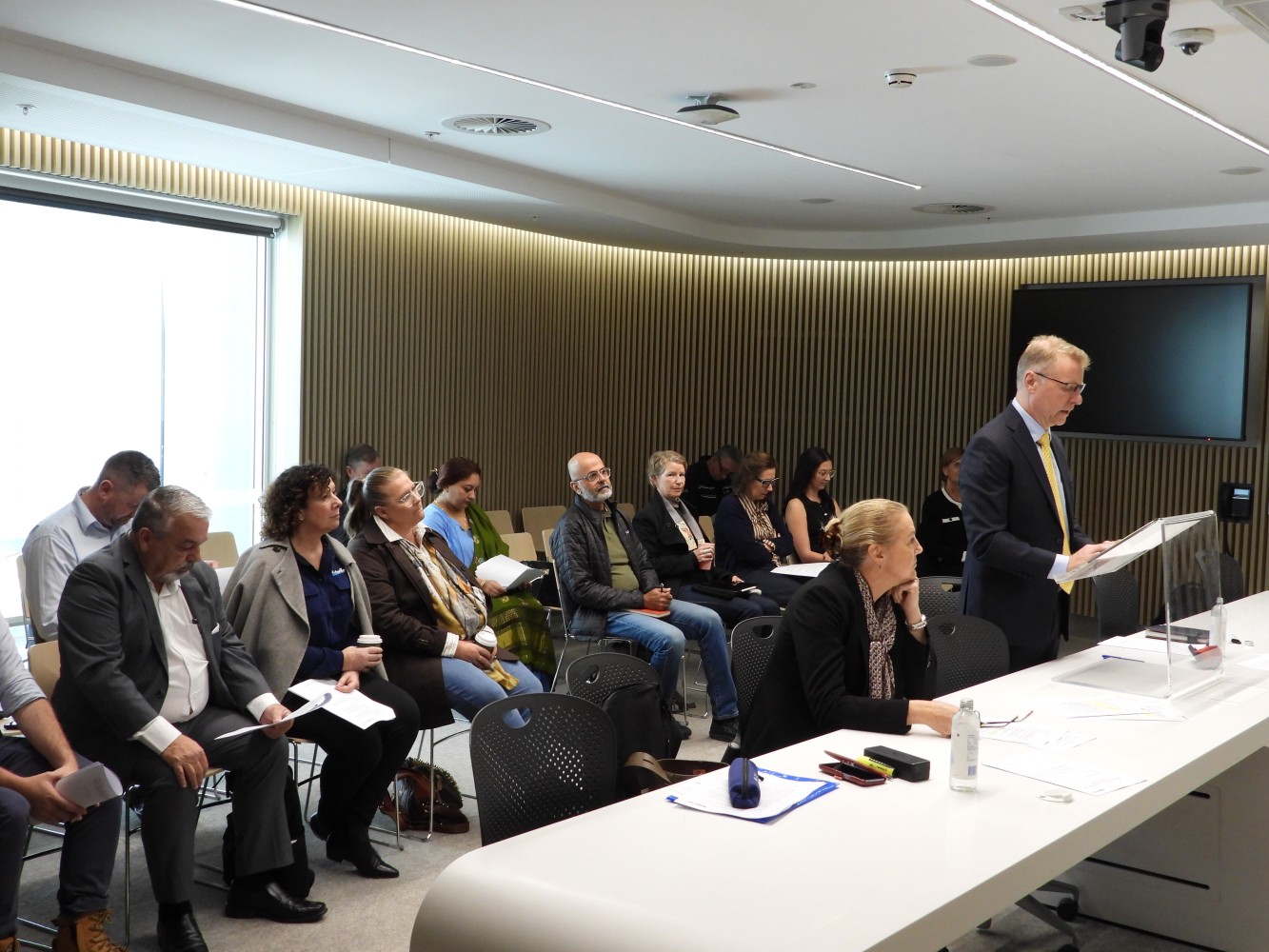
Throughout the mock hearing, Tony Morris from Safe TM Pty Ltd played the role of prosecutor. As the case unfolded, the discussion quickly moved away from intentions and toward evidence.
What became apparent was that the legal process is not particularly interested in what an organisation hoped would happen. Instead, the focus is on what the organisation knew, what actions it took and whether those actions can be demonstrated through objective evidence.
Watching a witness being questioned was particularly confronting.
Although everyone understood this was a simulation, there was still a palpable sense of discomfort as decisions were examined, assumptions were challenged and gaps in evidence were exposed. It was an important reminder that workplace health and safety prosecutions are not abstract legal exercises. They involve real people being asked to explain decisions that may have been made years earlier, often under significant pressure.
By the end of the session, I found myself reflecting on a simple but important question:
If a Regulator examined your organisation tomorrow, could you demonstrate what you have done to manage psychosocial risks?
For many organisations, that question is far more difficult than it first appears.
The Court Wasn’t Interested in Feelings
One of the unexpected lessons from the mock trial was that the courtroom was not particularly interested in whether people felt supported.
That may sound surprising given the case centred on psychosocial safety.
What became apparent very quickly was that the legal process was focused on something much more tangible. The discussion repeatedly returned to what was known, what was documented, what actions were taken and whether those actions could be demonstrated through evidence.
In many workplaces, conversations about psychosocial safety become emotionally charged. Leaders worry about saying the wrong thing. Managers fear they lack the expertise to address psychological concerns. Organisations often become overwhelmed by the language of mental health and wellbeing.
Yet the courtroom simplified the issue considerably.
The questions being asked were not fundamentally different from those asked in any other safety matter.
Was there a foreseeable hazard?
Did the organisation know about it?
What controls were implemented?
Were those controls reviewed?
Can the organisation demonstrate what it did?
Viewed through that lens, psychosocial safety becomes less about emotion and more about risk management.
What Does the Law Actually Require?
One of the greatest misconceptions surrounding psychosocial safety is that it represents a new area of workplace regulation. In reality, Australian employers have had legal obligations relating to psychological health for many years.
Section 19 of the Model Work Health and Safety Act establishes the primary duty of care for a Person Conducting a Business or Undertaking (PCBU). The Act states that a PCBU must ensure, so far as is reasonably practicable, the health and safety of workers engaged by the business or undertaking while they are at work.
Importantly, the legislation does not distinguish between physical and psychological health. Both fall within the scope of the duty.
This means that psychosocial hazards such as excessive workload, bullying, workplace conflict, exposure to traumatic material, poor organisational change management, low role clarity and inadequate support are not simply people management issues. They are workplace hazards that require identification, assessment and control in the same way that physical hazards do.
Workers also have responsibilities under the legislation.
Section 28 of the Model Work Health and Safety Act requires workers to take reasonable care for their own health and safety and to ensure that their actions or omissions do not adversely affect the health and safety of others. Workers must also comply with reasonable instructions and cooperate with workplace health and safety policies and procedures.
While psychosocial safety is often discussed as an employer responsibility, the legislation clearly establishes that creating safe workplaces requires participation from everyone.
Understanding Criminal Liability Under the WHS Act
One of the most valuable lessons from the mock court was understanding how workplace health and safety breaches are framed as criminal offences.
Many employers are surprised to learn that prosecutions under work health and safety legislation are criminal matters rather than civil matters. The objective is not to compensate an injured worker. Rather, the purpose is to determine whether a duty holder has breached their legal obligations under the Act.
The seriousness of the offence determines the category of charge.
Category 1
A Category 1 offence is the most serious and involves reckless conduct that exposes an individual to the risk of death, serious injury or serious illness. Significant fines and imprisonment can apply.
Category 2
A Category 2 offence applies when a duty holder fails to comply with a health and safety duty and exposes a person to a risk of death, serious injury or serious illness.
Category 3
A Category 3 offence applies when a duty holder fails to comply with a health and safety duty, even where exposure to serious risk may not be established.
Importantly, prosecutors do not need to prove that an organisation intended harm. The focus is on whether legal duties were met.
This distinction is often misunderstood. Good intentions, positive culture statements and wellbeing initiatives may all be valuable, but they are not substitutes for effective risk management systems.
Three Cases Every Employer Should Understand
Department of Defence
In 2025, the Department of Defence was convicted following a Comcare prosecution concerning the management of psychosocial risks associated with an Australian Defence Force member. The matter examined issues including welfare support, supervision and mental health management processes.
What makes this case significant is that the prosecution did not focus on whether policies existed. Instead, attention centred on whether systems designed to manage psychosocial risks had been implemented, maintained and reviewed appropriately.
For many employers, this distinction should serve as a warning. Having a policy is not the same as operating an effective system.
Western Sydney Local Health District
One of Australia’s most closely watched psychosocial safety prosecutions involved allegations relating to the management of workplace complaints and psychosocial risks within a health service environment.
Although the prosecution was ultimately withdrawn, the case demonstrated that regulators are increasingly willing to test psychosocial safety obligations through the courts. It also highlighted the complexity involved in proving psychosocial matters and reinforced the importance of evidence when establishing breaches of duty.
Department of Justice Western Australia
WorkSafe Western Australia commenced prosecution proceedings against the Department of Justice following allegations involving bullying, sexual harassment and victimisation.
The allegations focused on whether the organisation had provided and maintained a safe system of work capable of protecting workers from foreseeable psychological harm.
Once again, the issue before the court was not whether leaders cared about workers. The issue was whether the organisation could demonstrate that it had effectively managed foreseeable risks.
The Two Things That Keep Employers Out of the Hot Seat
As I reflected on the mock trial, it became clear that most organisations do not end up in difficulty because they failed to care about their workers.
They encounter difficulties because they cannot demonstrate that their systems were functioning effectively when it mattered.
The organisations most likely to withstand scrutiny are generally able to demonstrate two things.
First, they have a genuine safety management system that incorporates psychosocial risk management. This means psychosocial hazards are identified, risks are assessed, workers are consulted, controls are implemented and incidents are investigated. Importantly, psychosocial safety is integrated into the broader safety management framework rather than operating as a standalone wellbeing initiative.
Second, they can demonstrate that the system is maintained. Policies are reviewed. Risk assessments are updated. Consultation occurs regularly. Investigations are documented. Corrective actions are monitored. Lessons learned are incorporated into future improvements.
In other words, the system is alive.
This is where many organisations become vulnerable. Policies are written. Training is delivered. Risk assessments are completed. Then nothing happens for several years. When scrutiny occurs, organisations often discover that historical documentation is incomplete, reviews have not occurred and there is little evidence that controls were ever evaluated for effectiveness.
The law does not require employers to be perfect. However, it does expect them to demonstrate that they have taken reasonably practicable steps to manage foreseeable risks and that they have continued to monitor and improve those efforts over time.
A Final Reflection
The most important lesson I took away from the mock court was not fear. It was accountability.
Watching Tony Morris prosecute the case reinforced how quickly workplace decisions can be examined through a legal lens. A conversation that seemed minor at the time, a complaint that was not documented, a risk assessment that was never reviewed or an investigation that was poorly recorded can take on enormous significance when viewed years later in a courtroom.
Yet there was also something reassuring about the process. The law does not require perfection. It does not expect employers to eliminate every risk or prevent every instance of psychological distress. What it requires is far more practical. Employers must identify foreseeable hazards, implement reasonably practicable controls, consult workers, review the effectiveness of those controls and continually improve their systems.
Ultimately, the organisations most likely to stay out of the witness box are not necessarily those with the largest safety budgets or the most impressive policies. They are the organisations that can demonstrate that safety is actively managed, monitored and maintained.
Because when a Regulator, investigator or court eventually asks what was done to protect workers, evidence will always carry more weight than intention.
About the Institute
The Psychosocial Safety and Leadership Institute is Australia's peak body for psychosocial safety in the workplace. We're the place leaders, practitioners and organisations turn to for expert support, practical tools and evidence-based resources to address psychosocial risk and create healthier work environments.
Through training, best practice research, collaborative programs and a professional network driving real change, we're leading the advancement of psychosocial safety across every industry.
We partner with incredible organisations like Safe TM Pty Ltd to deliver experiential events to educate, support and simplify the requirements for compliance and worker wellbeing.
Will we be hosting another open Mock Court Trial in the future? Absolutely. We are already planning the next event. Subscribe to stay tuned or join us for discounted tickets.
Find out more and join us today.
References
Australian Capital Territory. (2024).Work health and safety legislation amendment regulations 2024 (No 1).ACT Government. https://www.legislation.act.gov.au
Comcare. (2023, November 15).Charges laid against the Department of Defence under the Work Health and Safety Act 2011. https://www.comcare.gov.au
Comcare. (2025, May 8).Department of Defence convicted and fined for WHS breaches. https://www.comcare.gov.au
Department of Employment and Workplace Relations. (2024).Model Work Health and Safety Act. Australian Government. https://www.dewr.gov.au
Hamilton Locke. (2025).Department of Defence convicted for failing to manage psychosocial risks. https://hamiltonlocke.com.au
Safe Work Australia. (2023).Model Code of Practice: Managing psychosocial hazards at work. Commonwealth of Australia. https://www.safeworkaustralia.gov.au
Safe Work Australia. (2024).Work-related psychological health and safety: A systematic approach to meeting your duties. Commonwealth of Australia. https://www.safeworkaustralia.gov.au
SafeWork NSW. (2021).Code of practice: Managing psychosocial hazards at work. NSW Government. https://www.safework.nsw.gov.au
SafeWork NSW v Western Sydney Local Health District [2024]. (Proceedings subsequently withdrawn). Industrial Relations Commission of New South Wales.
Work Health and Safety Act 2011 (Cth). https://www.legislation.gov.au
Work Health and Safety Act 2011 (NSW). https://legislation.nsw.gov.au
WorkSafe Western Australia. (2024).Department of Justice prosecution relating to psychosocial hazards and workplace bullying. Government of Western Australia. https://www.worksafe.wa.gov.au